
Co-Creation of Sustainable Food Supply Chains through Cooperative Business Models and Governance (CO-SFSC)
Climate change, the COVID-19 pandemic, and the war in the Ukraine reveal unsustainable features of conventional, globalized food supply chains, including significant GHG emissions, food insecurity, high food prices, injustices against workers, and dependence on trade partners violating human rights. Various efforts have been undertaken to transform food supply chains (FSC) towards sustainability by reducing transport, paying fair prices, adding value in the region of origin, adopting worker safety standards, and increasing accountability along the supply chain from production to consumption. Cooperative business models, such as worker or consumer cooperatives, as well as cooperative governance such as food policy councils or community-supported agriculture adopt many of these sustainable practices. Yet, there is little empirical, comparative research on how to implement sustainable food supply chains through cooperative models.
The goal of CO-SFSC is to assess current food supply structures (incl. their supporting ecosystems like policies, financing, training) and to develop sustainable ones through innovation and transfer of cooperative business and governance models. CO-SFSC will co-create knowledge, visions, plans and small-scale experimentations on how to innovate, convert, and strengthen FSC in different socio-cultural-political contexts
Research across five "hubs"
Co-SFSC coordinates transdisciplinary research, incl. experiments, across five research “hubs” and with six teams in Turkey, Thailand, Taiwan, Sweden, Germany and the U.S., building a Community of Practice for mutual learning (Lave & Wenger 1998).
Find more information on each Hub:


September 2026
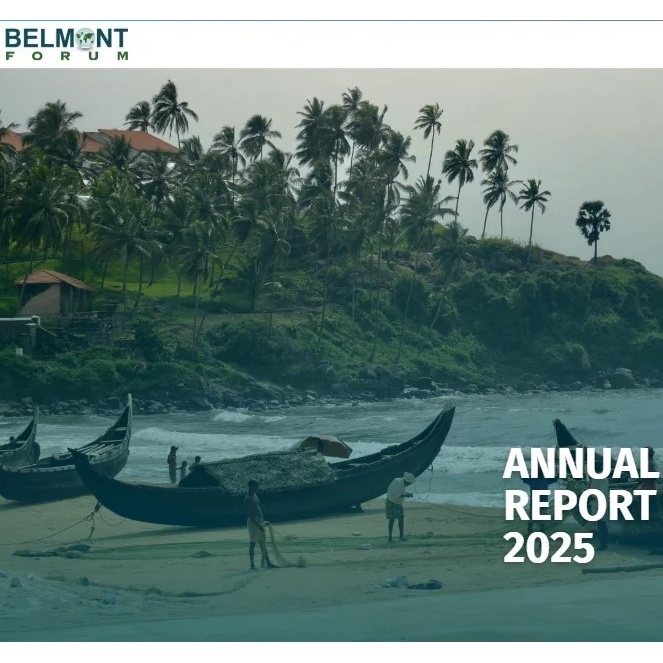
The Belmont Forum has released its 2025 Annual Report, and we are delighted that the CO-SFSC project has been specifically highlighted.
The report notes that “projects such as COAST Card, SVALUR, and CO-SFSC demonstrate how transdisciplinary approaches can connect scientific knowledge with local experience, policy, communities, and practice, generating solutions that respond to real-world challenges.”
Read_more
September 2026
The Co-SFSC project was represented at the Reallaborkonferenz 2026 (RLNK26), the third conference of the network “Reallabore der Nachhaltigkeit”. It took place on 16–17 September at the Leverkusen Campus of TH Köln and brought together actors from research, practice and policy to discuss the design, impact and everyday reality of real-world labs.
Read_more
September 2026
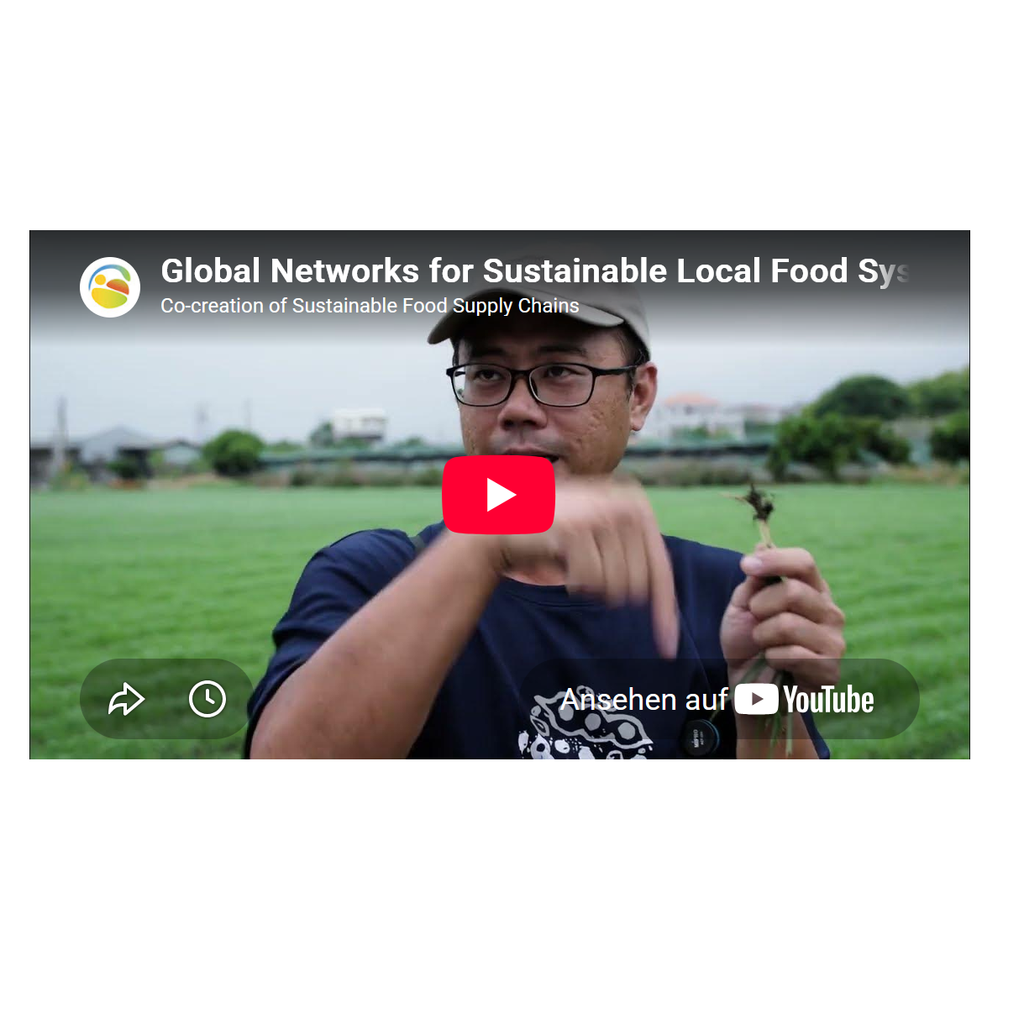
Watch the official trailer for the upcoming documentary film on transforming local food systems for a resilient and environmentally sustainable future.
Read_more